Author: Vesta Homes

  • Soft Industrial Australian Design: Where Texture Meets Tranquility

    Industrial design once meant steel and grit — but in today’s Australian-inspired interiors, it’s evolving into something softer, warmer, and more livable.


    In Cebu, soft industrial design is being reimagined with tropical materials and craftsmanship. 
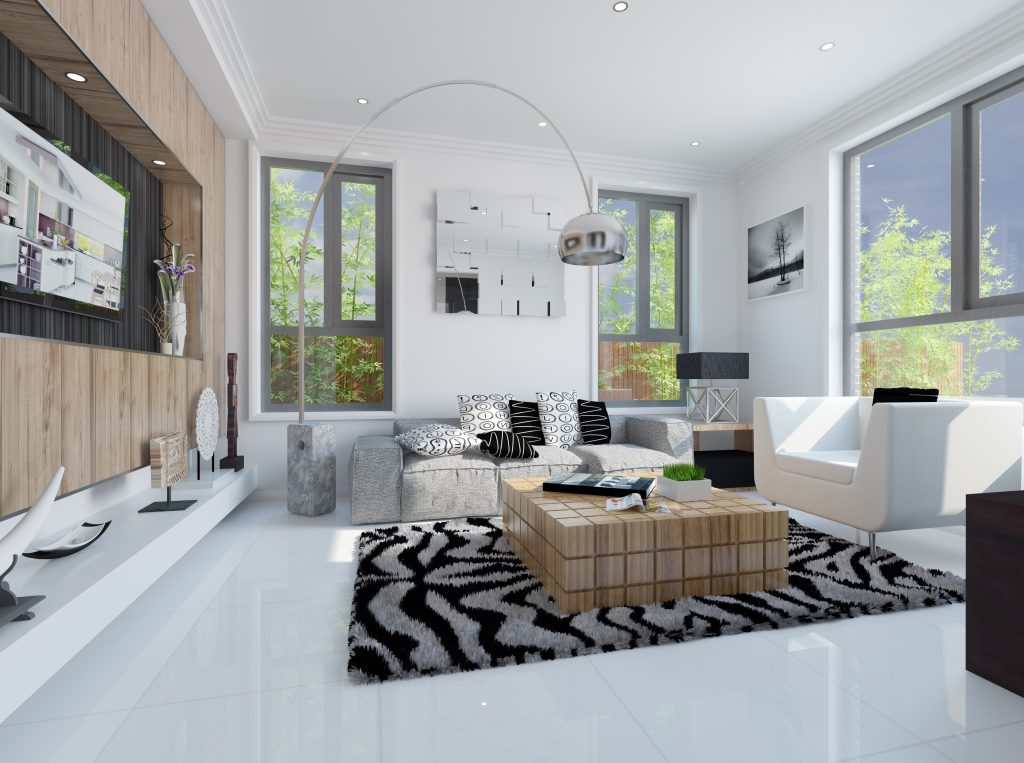
    Think exposed beams paired with linen drapes, concrete softened by natural wood, and metal fixtures complemented by woven textures. It’s a design language of contrasts strength meeting serenity.


    Elements That Define the Look:

    • Muted Neutrals: Charcoal, clay, sand, and pale wood tones.
    • Raw Finishes: Exposed brick, brushed metal, and textured cement.
    • Organic Softness: Rattan chairs, linen cushions, indoor plants.
    • Open Layouts: Maximizing air flow and natural light.
     

    Cebu’s artisans excel at blending structure and softness. Their handcrafted furniture often anchors these interiors — sturdy yet inviting, timeless yet modern. The result is a home that feels grounded but never heavy; stylish, yet always human.
  • Raw Wood Furniture Styling: Natural Beauty, Australian Soul

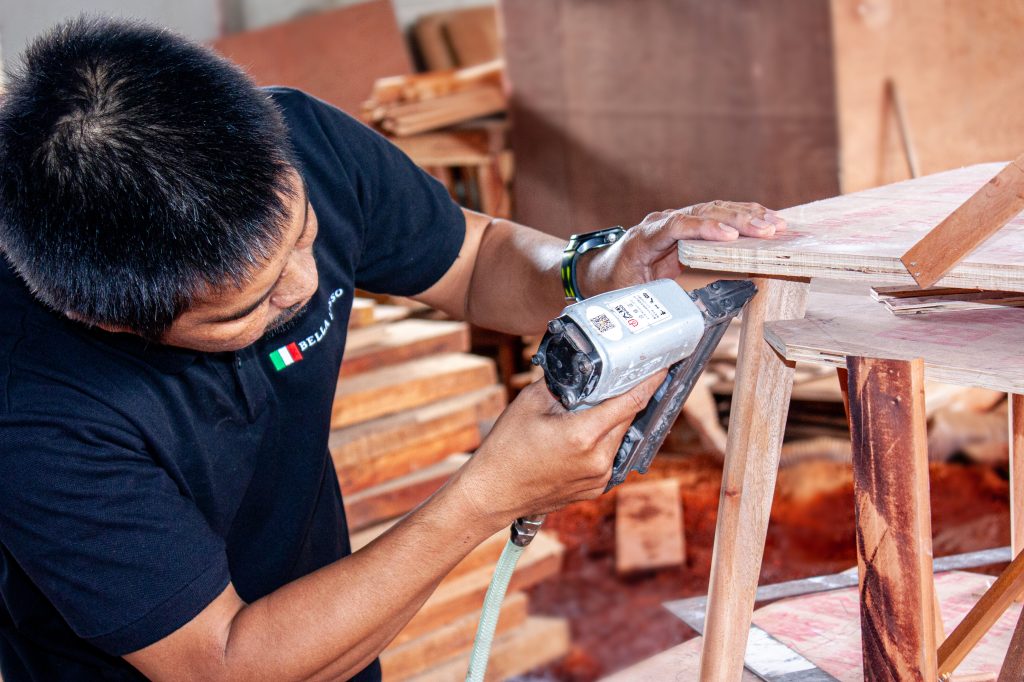
    There’s a quiet honesty in raw wood — a material that speaks of nature, warmth, and craftsmanship. In Cebu, where the artistry of woodworking thrives, raw wood furniture styling has become both an aesthetic and a philosophy.


    Inspired by Australian interior sensibilities, this style values authenticity. It embraces imperfections — knots, grains, textures — as signatures of character. Each handcrafted table or bed frame tells its own story, connecting home dwellers to the organic beauty of nature.

    Cebuano furniture makers are masters of this craft. They work with reclaimed or sustainably sourced wood, shaping them into pieces that are both functional and soulful


    Their creations balance the ruggedness of natural material with the softness of refined design — a harmony between earthiness and elegance.


    Why Raw Wood Works So Well in Modern Homes:

    • Timeless Appeal: Wood never goes out of style — it only grows richer with age.
    • Versatility: Blends seamlessly with both minimalist and coastal interiors.
    • Sustainability: Locally sourced materials minimize waste and carbon footprint.
    • Texture & Warmth: Brings life and depth to open, light-filled spaces.
     

    In homes across Cebu and beyond raw wood furniture creates a tactile connection to nature. It reminds us that beauty doesn’t need to be polished; sometimes, it’s found in the grain, the curve, the imperfection.

  • Cebu’s Creative Collaborations: Designers and Makers in Harmony

    The most inspiring interiors are born from collaboration. In Cebu, the synergy between designers and local makers fuels a design culture admired worldwide.


    When interior designers, stylists, and artisans work hand in hand, the result is extraordinary. Custom furniture finds its home in tailored spaces; handcrafted lighting pieces illuminate stories. It’s a creative dialogue — between imagination and craftsmanship, concept and execution.

    Why Collaboration Defines Cebu’s Design Scene:

    • Authenticity: Every project feels rooted in place and people.
    • Innovation: Designers inspire artisans to push boundaries.
    • Sustainability: Local sourcing supports both economy and ecology.
    • Community: Every project uplifts the network of creative workers.

    This unity between head and hand  between vision and touch  is Cebu’s quiet superpower. Together, designers and artisans are crafting more than interiors; they’re shaping a movement of meaningful, mindful design.

  • The Artisans Behind the Space

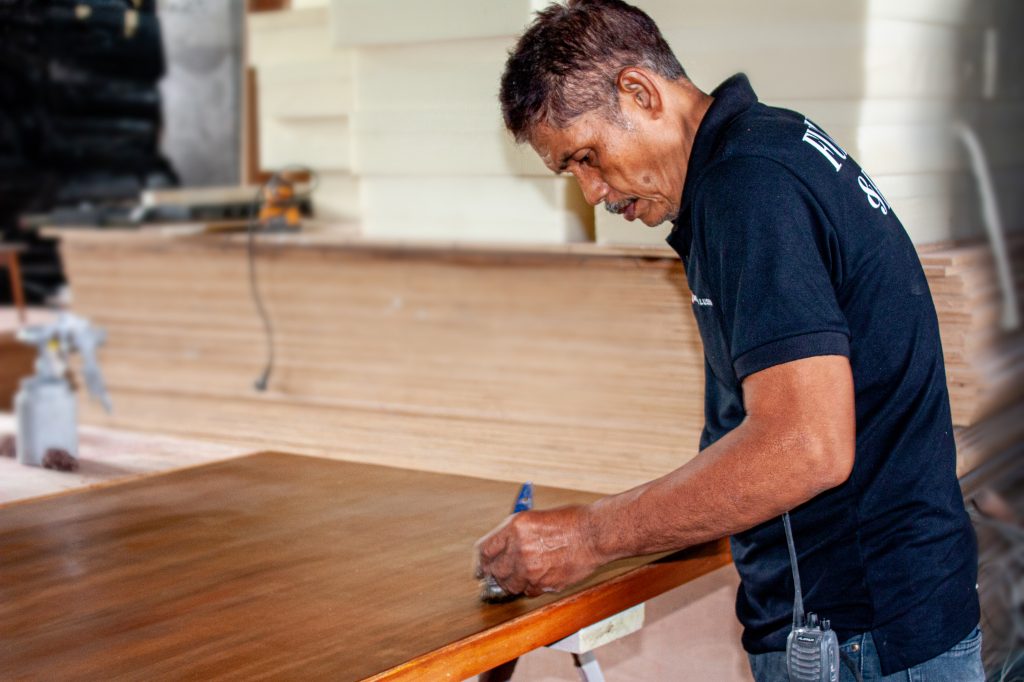
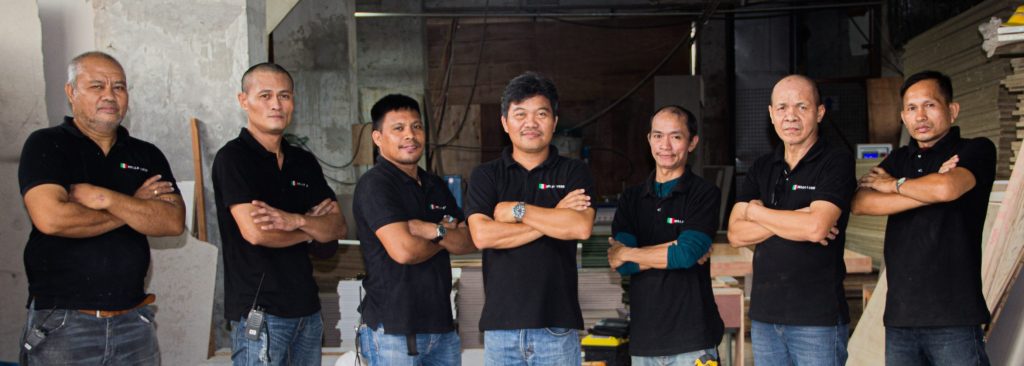
    Long before the lights flicker on or the curtains are drawn, there are hands — skilled, patient, and passionate — shaping the essence of every home or venue. These are the artisans of Cebu, the quiet heartbeat of its design scene.


    From master carpenters who carve warmth into raw wood to furniture makers weaving rattan into modern silhouettes, Cebu’s craftsmanship heritage is world-renowned. Each piece reflects time-honored techniques passed through generations, now reinterpreted for modern interiors.

    Designers may dream the concept, but artisans bring it to life — turning blueprints into emotion.

    Cebu’s Artisanal Strengths:

    • Woodworking Excellence: Sustainable, detailed, and enduring.
    • Rattan and Abaca Craft: A signature of coastal Filipino design.
    • Handcrafted Furniture: Blending form, comfort, and artistry.
    • Material Innovation: Using local resources in modern ways.
     

    To step into a Cebu-designed home is to feel the hands behind it — the craftsmanship in every joint, weave, and finish. These artisans don’t just build furniture or décor; they build legacy.

  • Event Venue Design in Cebu: Crafting Atmospheres with Meaning

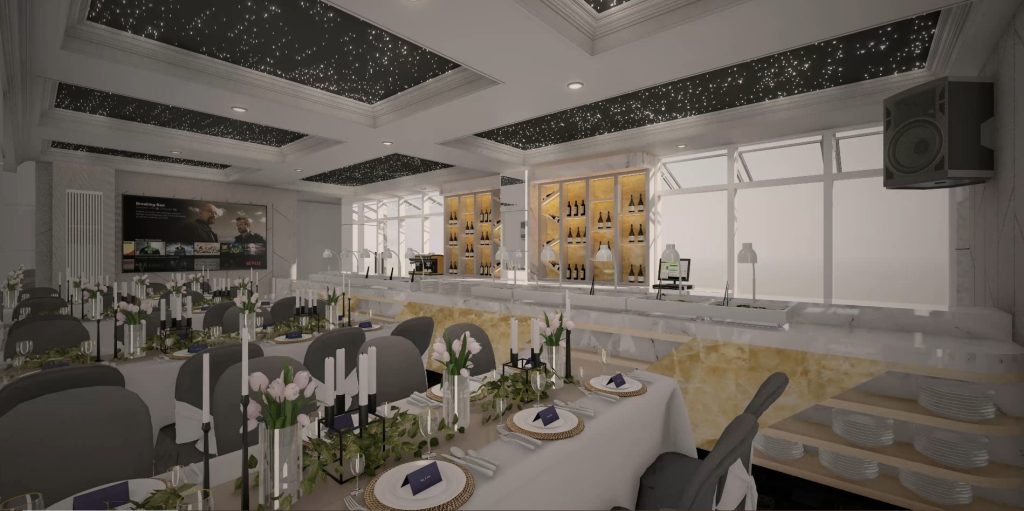
    Designing an event venue goes far beyond architecture — it’s about shaping emotion. Cebu’s event venue designers know that space influences how people connect, celebrate, and remember.


    From acoustics to lighting, every element serves a purpose. High ceilings evoke grandeur, warm lighting softens the mood, and modular layouts allow seamless transitions between ceremony, dinner, and after-party.

    Local design influences remain central: woven textures, native wood, and tropical greenery all add warmth and identity to these spaces. 


    Many Cebu venues now blend indoor and outdoor zones, taking advantage of the island’s breezy climate and natural beauty.


    Design Focus Areas:

    • Lighting Design: Layered illumination that adapts to mood and function.
    • Materiality: Combining global elegance with local authenticity.
    • Spatial Flow: Guiding guests intuitively through each experience.
    • Sustainability: Reusing décor elements and sourcing local materials.
     

    Great venue design feels invisible — everything just works. Cebu’s event designers understand that success lies in details: light placement, seating comfort, even how a door opens to reveal a moment. It’s artistry that creates atmosphere — subtle, deliberate, and unforgettable.

  • Bellalusso’s Guide to Effortless Entertaining Spaces

    Hosting is an art — and Bellalusso designs homes that make it effortless. From warm dining areas to elegant outdoor lounges, we create spaces meant to gather people beautifully.

    Our inspiration draws from Australian coastal living — open, airy, and informal — balanced with Cebu’s signature craftsmanship. Every detail, from furniture placement to lighting, is designed to bring connection to the forefront.


    Elements of a Perfect Entertaining Space:

    • Fluid Layouts: Seamless flow between kitchen, dining, and patio.
    • Natural Lighting: Inviting warmth for day or night gatherings.
    • Custom Furniture: Designed for both style and comfort.
    • Balanced Acoustics: Materials that soften sound and enhance conversation.
     

    A Bellalusso entertaining space feels alive — filled with laughter, light, and stories shared over good food and thoughtful design.

  • Redefining Condo Luxury: Bellalusso’s Urban Design Vision

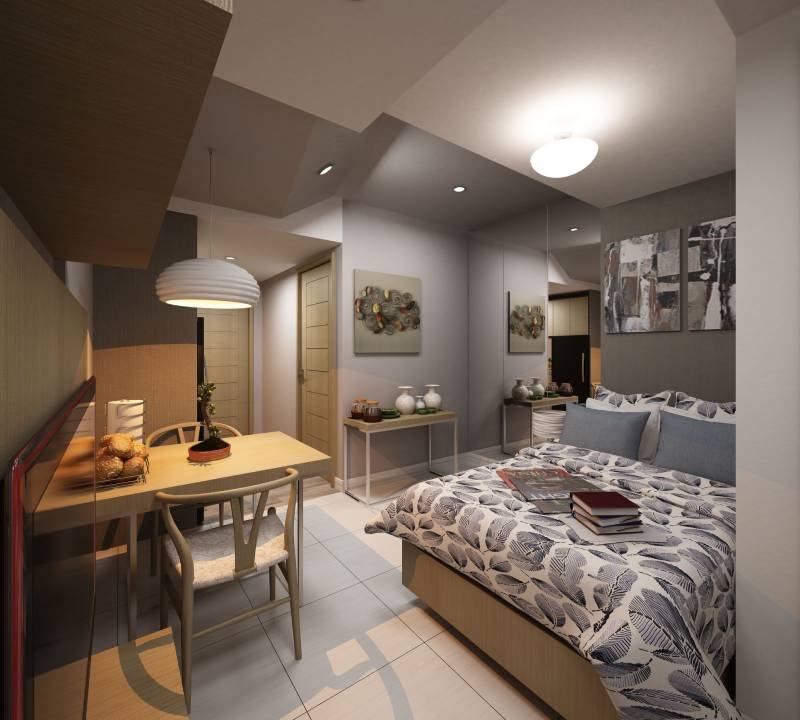
    In Cebu’s modern skyline, condo living has evolved from convenience to artistry. Bellalusso leads this transformation, creating urban sanctuaries that fuse minimalist sophistication with warm, livable design.

    Each project begins with understanding the rhythm of city life — the need for space, calm, and connection. Bellalusso’s interiors make even compact areas feel expansive through light, proportion, and thoughtful flow.


    How Bellalusso Elevates Condo Living:

    1. Smart Layouts: Open plans maximize both comfort and space.
    2. Natural Materials: Wood, linen, and stone add timeless warmth.
    3. Custom Storage: Functionality tailored to your lifestyle.
    4. Refined Details: Lighting and textures that shape atmosphere.
     

    Bellalusso transforms modern condos into havens of serenity — proof that sophistication doesn’t depend on size, but on intention.

  • Practical Yet Stylish Australian Living

    Australian interiors have long championed practical design without sacrificing beauty, a philosophy now embraced by Cebu’s evolving home scene.

    Here, the design ethos focuses on comfort, light, and connection — not perfection. Open kitchens that invite conversation, multifunctional furniture for smaller spaces, and neutral tones that highlight craftsmanship — these are hallmarks of a lifestyle built around ease.


    Cebu’s Take on Practical Australian Style:

    1. Function First: Every item has a purpose.
    2. Open Spaces: Encouraging flow between kitchen, dining, and patio.
    3. Honest Materials: Wood, linen, stone, and clay textures.
    4. Effortless Warmth: Soft lighting, handmade accents, uncluttered charm.
     

    This blend of form and function celebrates what truly matters — living well in spaces that breathe, simplify, and inspire. Cebu’s take on practical Australian design feels authentic, grounded, and effortlessly stylish.

  • Stylish Minimalist Kitchen Ideas

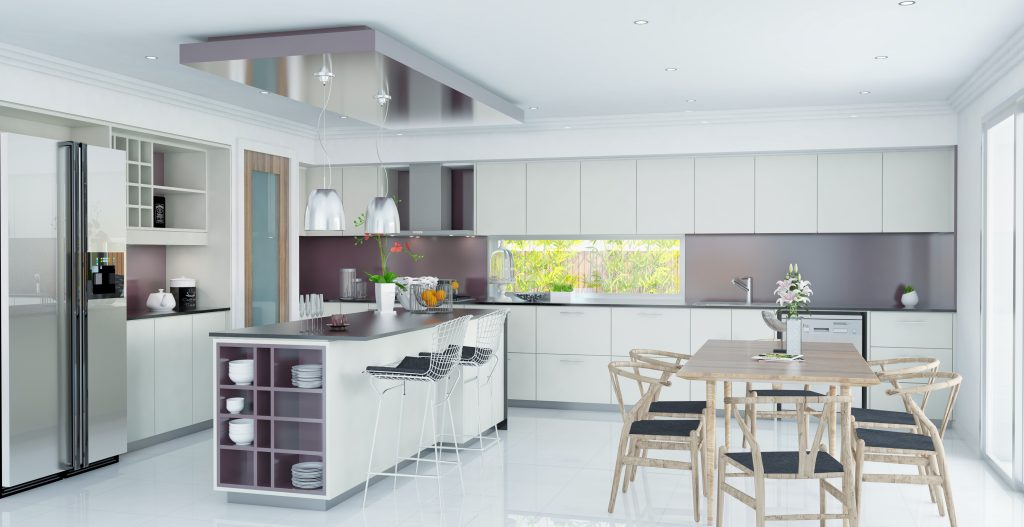
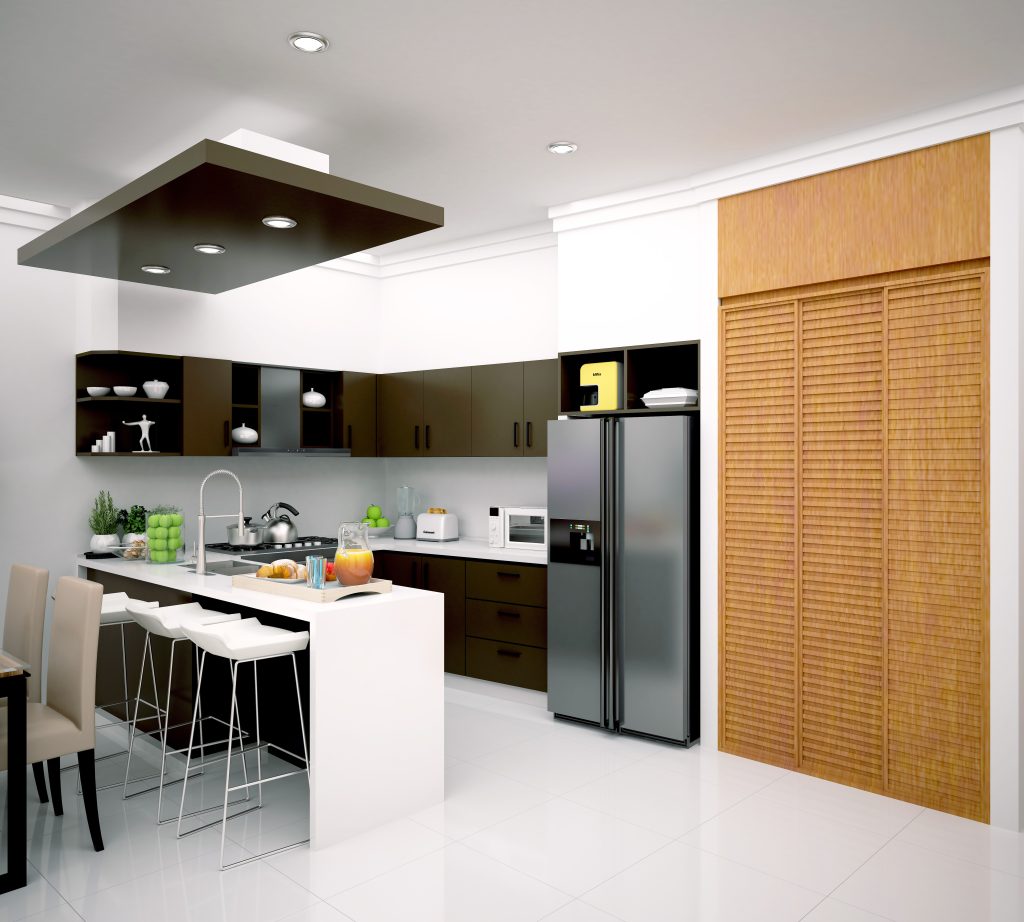
    Minimalism doesn’t mean cold or empty — it means clarity. And Bellalusso has mastered the art of minimalist kitchen design that feels both serene and welcoming.

    Drawing from Australian-style interiors, Bellalusso’s kitchens focus on light, texture, and proportion. Flat-front cabinetry in soft neutral tones, seamless surfaces, and subtle hardware all contribute to a refined, clutter-free aesthetic.

    Bellalusso’s Tips for a Stylish Minimalist Kitchen:

    1. Streamlined Storage: Conceal clutter with built-in cabinetry.
    2. Neutral Base: Soft whites, oak, or matte black for quiet sophistication.
    3. Texture Play: Add interest through stone, wood grain, or linen touches.
    4. Natural Light: Let windows and skylights define the space.
    5. Smart Functionality: Efficiency designed into every corner.

    Minimalism, done the Bellalusso way, is about purpose and peace. Every inch of the kitchen serves the homeowner — beautifully, intelligently, and without distraction.

  • Layered Textures in Australian Decor: The Secret to Effortless Depth

    Design isn’t just seen — it’s felt. Layered textures are what give Australian-inspired interiors their cozy yet sophisticated feel, and Cebu’s designers are mastering this art beautifully.

    By layering materials — wood, linen, rattan, and stone — spaces become more tactile and inviting. It’s an approach that thrives in
    light-filled rooms, where every surface and shade contributes to a relaxed sense of harmony.


    How to Master Layered Texture at Home:

    • Start Neutral: Use whites, taupes, and soft greys as your canvas.
    • Mix Materials: Combine natural and refined finishes for contrast.
    • Play with Light: Let daylight enhance shadows and texture variations.
    • Add Handmade Elements: Cebuano crafts like woven trays or rattan lighting add soul.
     

    Texture layering isn’t about clutter — it’s about creating depth that feels effortless. In Cebu’s interiors, these layers whisper warmth, turning minimalist spaces into havens of touch and tranquility.